

 Search
  corp-web@copeplastics.com
  800-851-5510
 Count on us to create your vision. Check out our vast fabrication capabilities:
March 24, 2026 | Case Studies
Performance Plastics in Agriculture & Heavy Equipment
How Nylon and UHMW Improve Equipment Performance for Agricultural OEMs
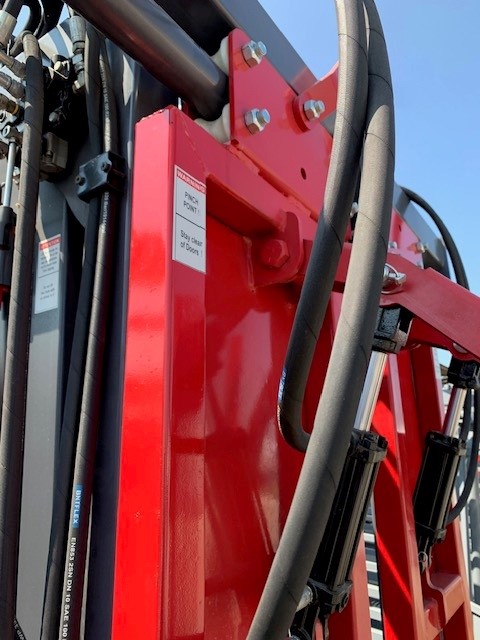
Agricultural equipment operates in some of the most demanding environments in manufacturing. Harvesters, grain handling systems, tractors, and heavy machinery must perform reliably through dust, mud, vibration, extreme weather, and constant mechanical stress.
To meet these challenges, many agricultural OEMs are turning to performance plastics like nylon and UHMW to improve durability, reduce maintenance, and increase equipment efficiency.
At Cope Plastics, we work closely with agricultural equipment manufacturers to help identify where engineered polymers can outperform traditional materials like steel or bronze.
To better understand how these materials are transforming the industry, we spoke with Ethan Soliday, Strategic Accounts Executive at Cope Plastics, who works directly with agricultural OEMs and heavy equipment manufacturers.
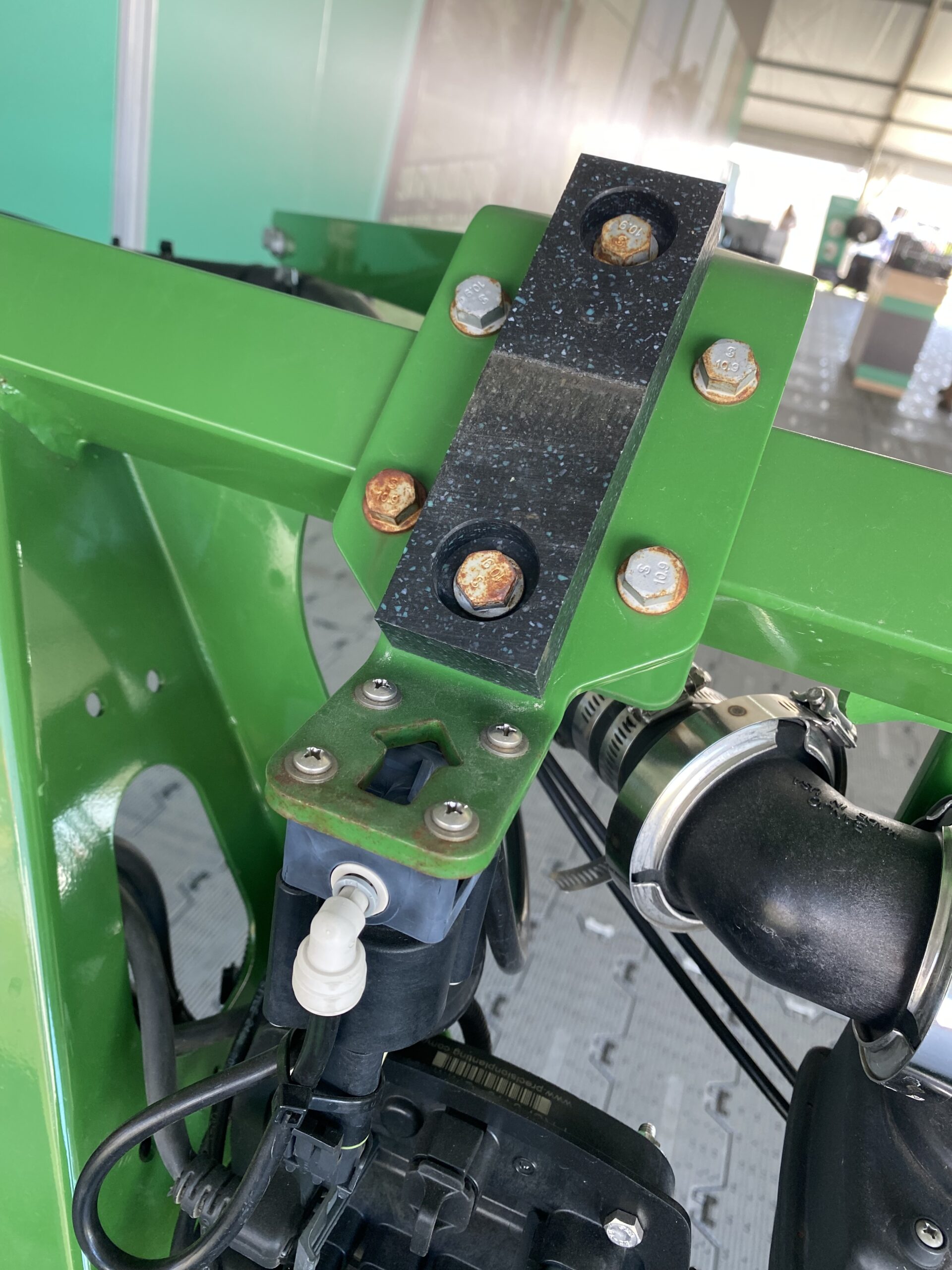
“Plastics can be found just about anywhere within the Ag and heavy equipment market,” Ethan explains. “From corn heads harvesting corn to the conveyors moving grains between bins, to the windows on a skid steer — polymers are used almost everywhere.”
The Challenge: Maintenance, Friction, and Equipment Weight
Agricultural equipment relies on thousands of moving parts working together under heavy loads. Traditionally, many of these components were manufactured from steel, bronze, or other metals.
While strong, metal components create several challenges:
- Metal-on-metal contact generates high friction
- Components require constant lubrication
- Equipment weight increases fuel consumption
- Wear and corrosion shorten component life
One of the biggest maintenance burdens farmers face involves grease points.
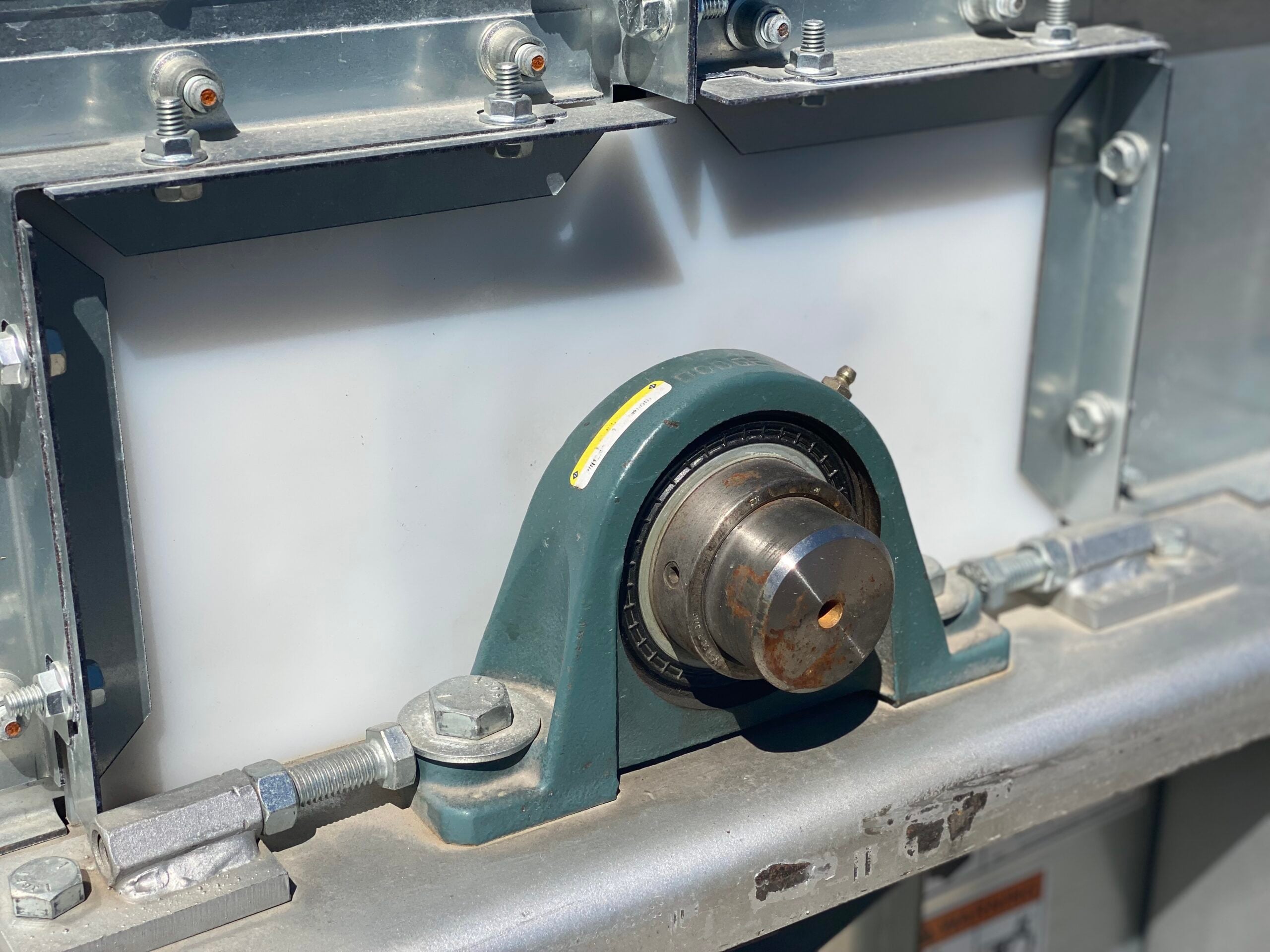
Grease fittings are commonly used when multiple metal components interact, such as a metal housing, metal bushing, and metal shaft. These lubrication points must be serviced regularly to prevent premature wear.
“One of the biggest headaches farmers deal with on their equipment trying to remember to grease all the grease points,” Ethan says. “Those exist because you have metal parts wearing against each other.”
Over time, missed lubrication or contamination can lead to expensive failures.
The Solution: Self-Lubricating Nylon Components
Performance plastics offer a powerful alternative to traditional metal components.
One of the most effective materials used in agricultural equipment design is nylon with Molybdenum Disulfide (MoS₂).
This additive creates a self-lubricating material capable of replacing metal bushings and eliminating grease points entirely.
Instead of relying on lubrication between metal surfaces, the polymer itself provides low-friction performance.
“When you incorporate a self-lubricated plastic like nylon with a MoS₂ additive, you can eliminate the grease point entirely and rely on the material to do the work,” Ethan explains.
For equipment manufacturers and operators, this provides several advantages:
- Reduced maintenance requirements
- Elimination of grease fittings
- Longer component life
- Lower risk of contamination in agricultural environments
- Simplified machine design
By replacing metal bushings with engineered nylon components, agricultural OEMs can dramatically reduce service requirements for farmers.
The Weight Advantage of Engineered Plastics
Weight is another major factor in agricultural equipment performance.
The heavier a machine is, the more energy it requires to operate. Increased weight leads directly to:
- Higher fuel consumption
- Greater power requirements
- Increased operating costs
Compared to steel, engineered plastics typically weigh about one-seventh.
For example:
- A 70-lb steel component may weigh only 10 lbs when produced in nylon
If a machine contains four similar components, the difference becomes substantial:
- Steel components: 280 lbs
- Nylon components: 40 lbs
“That extra weight has to be moved every time the equipment runs,” Ethan says. “Reducing weight helps improve efficiency and reduces the power required to operate the machine.”
For farmers and equipment operators, lighter equipment can translate directly into fuel savings and improved productivity in the field.
UHMW: The Workhorse Material in Grain Handling Systems
While nylon performs exceptionally well in structural and load-bearing components, UHMW (Ultra High Molecular Weight Polyethylene) is widely used throughout grain handling and crop processing systems.
UHMW is known for its:
- Extremely low coefficient of friction
- Excellent wear resistance
- Impact strength
- Moisture resistance
- FDA compliance in its virgin form
Because of these characteristics, UHMW is one of the most commonly used plastics across the agricultural industry.
“If you look at grain handling equipment, UHMW is the most widely used polymer you’ll find,” Ethan notes.
Common UHMW Applications in Agricultural Equipment
Grain Bins & Drag Chain Conveyors
UHMW is commonly used in drag chain conveyor systems that move grain between Bins.
Its low friction surface helps grain flow smoothly while reducing wear on equipment components.
Benefits include:
- Reduced drag on conveyor systems
- Less equipment wear
- Improved grain movement efficiency
Hopper Liners for Improved Grain Flow
Grain hoppers often experience flow problems caused by friction and product buildup.
Installing UHMW hopper liners allows grain to move more freely through the system.
This helps prevent:
- Grain bridging
- Flow blockages
- Material buildup
Corn Head Wear Plates
Corn heads experience significant abrasion as they move through fields of stalks and debris.
UHMW wear plates installed on the bottom of corn heads help protect the underlying steel structure.
Instead of the machine wearing down, the replaceable UHMW plate absorbs the wear.
This dramatically extends the life of expensive harvesting equipment.
The Flexibility of Engineered Polymer Materials
One of the greatest advantages of performance plastics is the ability to customize material formulations for specific applications.
For example, nylon is manufactured in two primary forms:
- Extruded Nylon
- Cast Nylon
Each offers different mechanical characteristics suited for specific applications.
In addition, numerous additives can be introduced to tailor material performance.
Examples include:
- MoS₂ additives for self-lubrication
- Glass fibers to increase strength and rigidity
- Solid lubricants to reduce friction and PV values
- Heat stabilizers for high-temperature environments
“The great thing about polymers is the number of formulations available,” Ethan explains. “If one type doesn’t work, there’s often an additive or variation that already exists or can be developed to solve the problem.”
This flexibility allows engineers to design materials that meet the exact requirements of an application.
A Growing Shift Toward Polymer Engineering in Agriculture
In the past, plastics were rarely considered during the early stages of equipment design.
Metal was often the default material.
Today, that mindset is shifting.
Engineering programs increasingly include polymer science education, meaning many new engineers entering the workforce already understand how engineered plastics can solve mechanical challenges.
“We’re seeing a lot more engineers coming out of college with Degree’s in Plastics Engineering Technology,” Ethan says. “That makes collaboration easier because plastics are already part of the design conversation.”
As agricultural technology continues to evolve, engineered polymers are becoming essential components in modern equipment design.
Your Material Partner for Agricultural Equipment Design
For agricultural OEMs, selecting the right material is critical to equipment performance, durability, and maintenance requirements.
At Cope Plastics, we combine deep material expertise with real-world agricultural industry knowledge to help engineers select the best materials for demanding applications.
For more than 80 years, Cope Plastics has worked alongside manufacturers across the agriculture and heavy equipment industries, supplying engineered plastic materials and fabricated components that improve equipment performance.
Our team works closely with OEM engineers to support:
- Material selection for demanding agricultural environments
- Replacement of metal components with engineered plastics
- Fabricated plastic parts built to specification
- Performance optimization for wear, friction, and weight reduction
Whether you’re designing a new machine or improving an existing component, our experts can help identify where nylon, UHMW, and other engineered plastics can deliver measurable improvements.
Ready to explore how performance plastics can improve your agricultural equipment design?
Contact the Cope Plastics team to discuss your application and discover the right material solution for your next project.

Ready for help with your next project?
Our dedicated team of experts loves helping our customers solve problems and get stuff done. No matter what your vision, we want to help make it happen together!
Let's Talk!